Ice dam removal in Fort Wayne
Ice dam removal in Fort Wayne usually costs $650 to $2,400, about $1,200 a visit. We melt the ice with low-pressure steam, which clears it without chipping at your shingles.
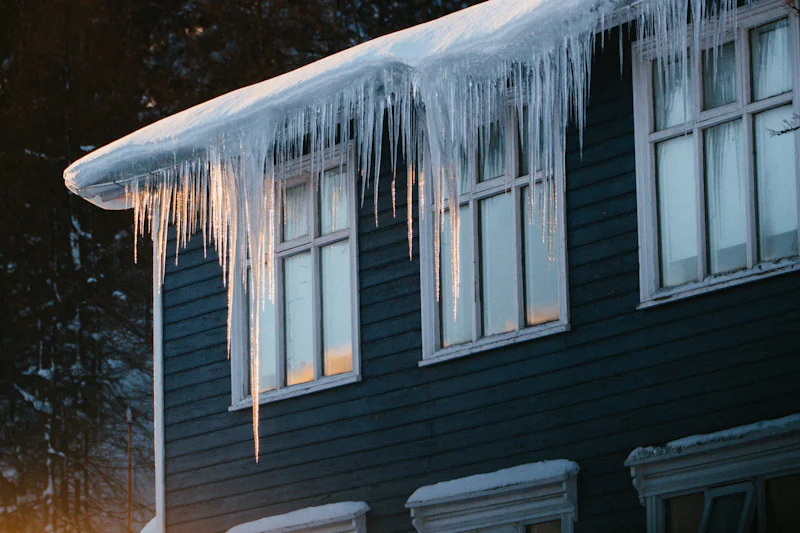
What an ice dam is
An ice dam is a ridge of ice along the bottom edge of a roof that holds back melting snow. Heat leaking from the house warms the upper roof, the snow there melts, and the water runs down to the cold eave and freezes again. Each melt adds to the ridge, and the water stuck behind it backs up under the shingles and into the walls and ceilings.
Fort Wayne winters are built for them. The city averages about 34 inches of snow and around 124 nights at or below freezing a year, with a lot of days that thaw in the afternoon and freeze again overnight.
Signs you have one
- Thick icicles along the gutters, especially over warm rooms
- A solid ridge of ice at the roof edge with snow above it
- Water stains or peeling paint at the top of outside walls, or wet spots around windows
- Water dripping inside the soffit or behind the gutter on a cold, sunny day
Steam, not hatchets
Chipping ice off a roof with a hammer or ice pick breaks shingles and tears gutters. We use a steamer made for roofs, which melts channels through the ice so the water behind it can drain, and then clears the rest. Rock salt on the roof isn't a fix either; it corrodes metal flashing and gutters and burns the plants below.
| Method | Typical cost |
|---|---|
| Steam removal | $800 to $2,400 |
| Manual removal | $800 to $1,800 |
| Chemical treatment on a small dam | $200 to $400 |
What ice dam removal costs in Fort Wayne
Most ice dam removal costs $650 to $2,400, about $1,200 on average nationally. Crews usually charge by the hour, often $150 to $700 with a two-hour minimum, so the length of your eaves, the thickness of the ice and how hard the roof is to reach decide the bill.
Heat cables cost $900 to $1,800 installed, about $1,400 on average. They run in a zigzag along the eaves and in the gutters and downspouts, so meltwater has a path off the roof.
Stopping the next one
Heat cables treat the symptom. The cause is warm air reaching the underside of the roof, so the long-term fix is in the attic: seal the gaps where house air leaks up (around lights, pipes and the attic hatch), add insulation, and make sure intake vents at the soffits and exhaust at the ridge keep the roof deck cold. When we remove a dam, we look in the attic and tell you what we see.
Your roof's last line of defense is the ice and water shield under the shingles. Indiana's code requires it at the eaves in Allen County and the counties around it, from the edge to at least 24 inches inside the outside wall. If your roof went on without it, the next new roof is the time to add it.
Ice dam questions
Can I get rid of an ice dam myself?
You can pull snow off the lower roof from the ground with a roof rake, which keeps new dams from building. Do not climb onto an icy roof, and don't chip at the ice; that's where the damage and the falls happen.
Do heat cables work?
They keep a path open for meltwater along the edge, which helps on trouble spots. They don't stop the warm-attic problem that causes dams, and they use electricity all winter, so we treat them as a backup to fixing the attic.
Will homeowners insurance pay for ice dam damage?
Water damage inside the house from an ice dam is often covered, while removing the ice itself usually isn't. Read your policy or call your agent, and take photos before anything is cleaned up.
When should I call?
As soon as water shows up inside, or when the ridge of ice is thick and more snow is in the forecast. December through March is ice dam season in Fort Wayne.
What the quote usually covers
Usually included
- Low-pressure steam to melt the ice off the shingles
- Shingles and gutters checked for damage after
- Heat cables along the eaves and in the gutters where they help
- Attic vents and insulation checked, since that's where ice dams start
Often priced separately
- Attic insulation and air sealing
- Ice and water shield at your next new roof
- Gutter repair
Confirm both lists in your written quote.
Book your free roof inspection
Three quick questions. Then here's what happens:
- We call you backTo hear what's going on and pick a time to come out.
- We go up and take photosYou see the same pictures we use to price the job.
- You get one written priceMaterials, flashing, decking and clean-up, all listed.
Other services
 Roof repairTypical: $395 to $1,968
 Roof replacementTypical: $8,000 to $16,000
 Storm & hail damageTypical: $2,632 to $22,127
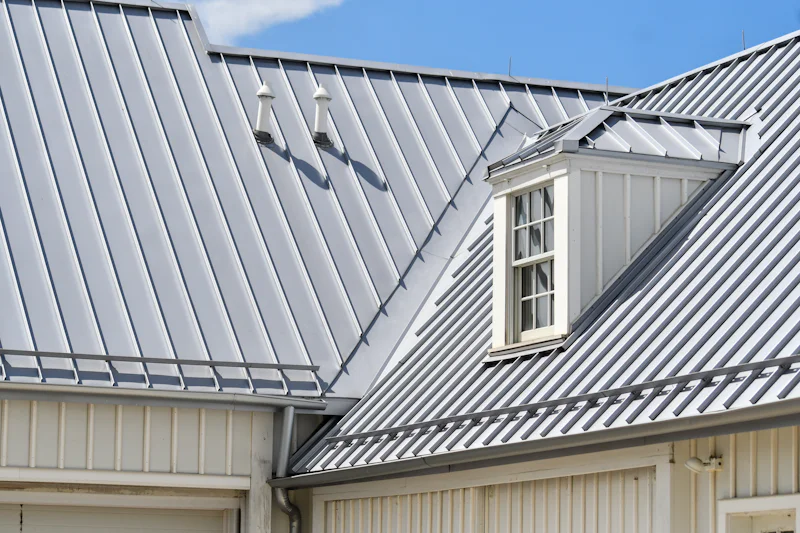 Metal roofingTypical: $6,043 to $18,341
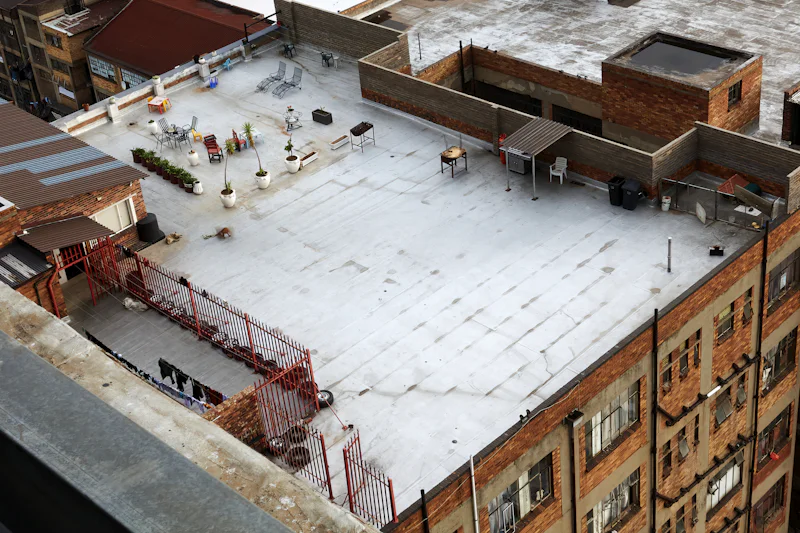 Commercial & flat roofingTypical: $5 to $14 per sq ft
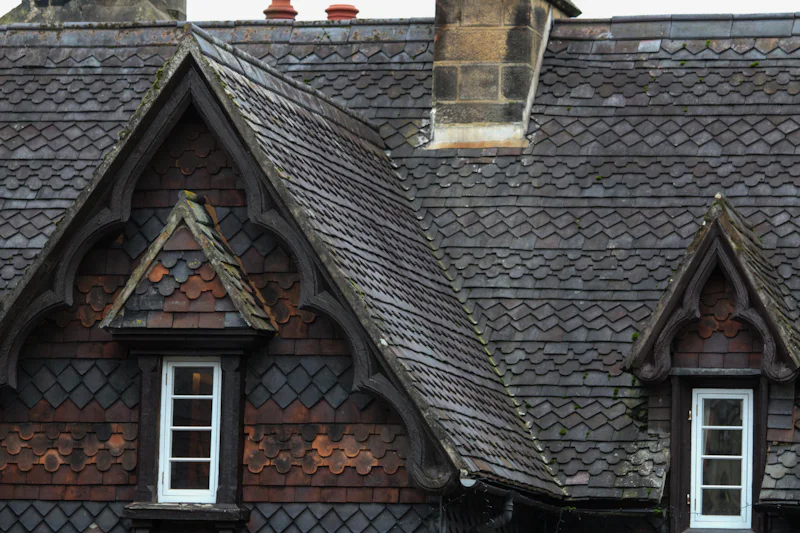 Slate, cedar & specialty roofsTypical: $4,389 to $22,377 for slate
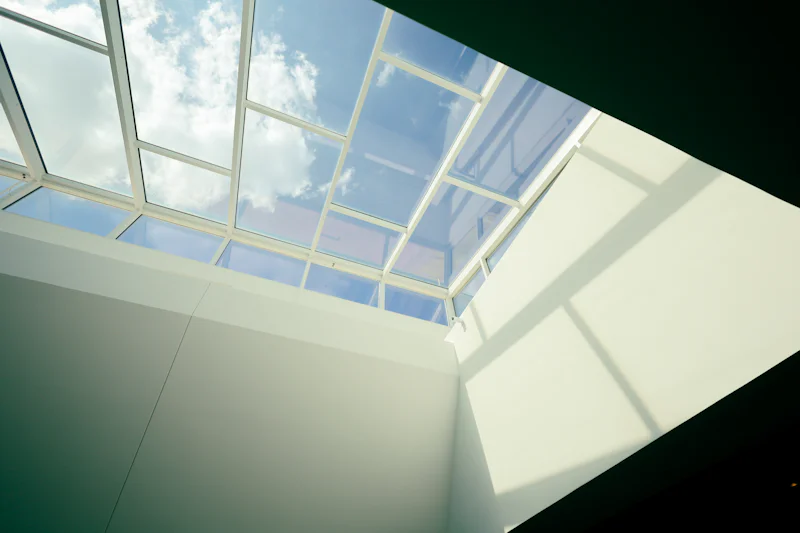 SkylightsTypical: $1,014 to $2,828
Let's take a look at your roof
Call us or send three quick answers. We'll get up there, show you the photos and write you one price.